
Cloud/ Devops Engineering-Modern Infrastructure for Scalable Applications
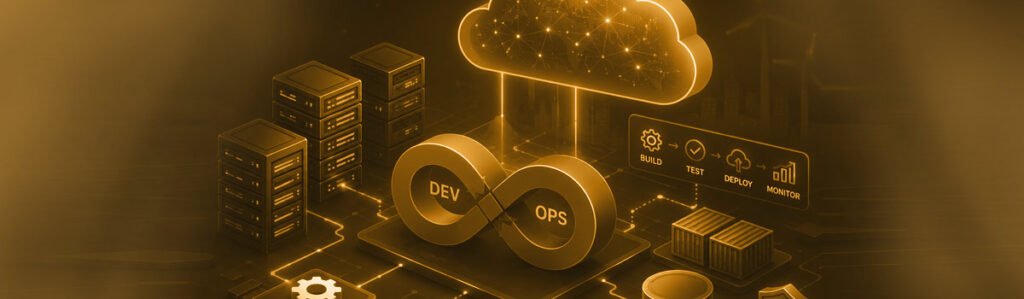
DevOps has revolutionized how organizations build, deploy, and maintain applications in the cloud. By breaking down silos between development and operations teams, DevOps enables faster delivery cycles, improved reliability, and better resource utilization. Cloud platforms like AWS, Azure, and Google Cloud have accelerated this transformation, providing the foundation for modern engineering practices that prioritize automation, monitoring, and continuous improvement. The CI/CD Pipeline: Automating Deployment Continuous Integration and Continuous Deployment (CI/CD) form the backbone of modern DevOps practices. These pipelines automate the testing, building, and deployment of code, significantly reducing manual errors and deployment times. Tools like Jenkins, GitLab CI, and GitHub Actions enable teams to push code changes multiple times daily with confidence. A well-designed CI/CD pipeline ensures that every code change goes through automated testing before reaching production, dramatically improving software quality and reducing time-to-market. Key Benefits Automated testing catches bugs early Faster release cycles reduce time-to-value Consistent deployment processes minimize human error Quick rollback capabilities when issues arise Containerization and Kubernetes: Scalable Infrastructure Docker revolutionized application deployment by enabling containerization—packaging applications with their dependencies in lightweight, portable containers. Kubernetes emerged as the industry standard for orchestrating these containers at scale, managing resource allocation, scaling, and self-healing capabilities across clusters. Organizations using Kubernetes can automatically scale applications based on demand, ensuring optimal resource utilization and cost efficiency. Container registries store these images, making deployment reproducible and consistent across development, staging, and production environments. This approach significantly reduces the “works on my machine” problem that has plagued software development for years. Infrastructure-as-Code and Automation Infrastructure-as-Code (IaC) treats infrastructure configuration as versioned, reviewable code. Tools like Terraform, CloudFormation, and Ansible enable teams to define cloud resources programmatically, ensuring consistency and repeatability. This approach brings the rigor of software development practices to infrastructure management. Automation extends beyond deployment to encompassing monitoring, alerting, and even auto-remediation. By codifying infrastructure and operational procedures, teams reduce manual configuration errors, enable faster disaster recovery, and create auditable records of all changes. Version control systems track every modification, providing accountability and enabling quick rollbacks if needed. Monitoring, Logging, and Observability Modern cloud applications require comprehensive visibility into system behavior. Monitoring tools like Prometheus and Datadog track performance metrics, while centralized logging solutions such as ELK Stack and Splunk aggregate logs from distributed systems. Observability—combining metrics, logs, and traces—provides deep insights into application health and performance. Effective monitoring enables proactive problem detection, reducing mean time to resolution (MTTR). Alerting systems notify teams of anomalies before users experience issues, while dashboards provide real-time visibility into system status. This data-driven approach transforms operations from reactive firefighting to proactive optimization. Conclusion Cloud and DevOps engineering represent a fundamental shift in how organizations deliver software. By embracing automation, containerization, and infrastructure-as-code, companies achieve faster delivery cycles, improved reliability, and better resource efficiency. As cloud platforms continue evolving, mastering these practices becomes essential for competitive advantage in the digital era. Sources and References The Phoenix Project: A Novel about IT, DevOps, and Helping Your Business Win Comprehensive guide to container orchestration


